From Tank to Tap: How a Draft Beverage System Works

A perfectly poured beverage may look effortless, but behind every smooth pour is a carefully designed draft system working in harmony. Understanding how a draft beverage system works — from tank to tap — helps explain why proper setup and maintenance are so important for quality, consistency, and efficiency.

It all begins with the beverage source, typically a keg, bag-in-box, or bulk container. Inside the keg, the beverage is sealed to protect freshness. To move it from the container to the tap, the system relies on pressurized gas, most commonly carbon dioxide (CO₂), nitrogen (N₂), or a blend of the two. This gas applies consistent pressure, pushing the beverage out of the container without exposing it to oxygen.

From there, the beverage travels through beverage lines — specialized tubing designed to preserve flavor and carbonation. Line length, diameter, and material are carefully selected based on the beverage type and distance to the tap. In longer-draw systems, additional considerations such as elevation changes and cooling become critical.

Temperature control plays a major role throughout the journey. Refrigeration systems keep the beverage cold from storage to dispense, preventing excess foam and protecting taste. In many setups, glycol-cooled trunk lines are used to maintain consistent temperature all the way to the faucet, even across long distances.

At the tap, a faucet and coupler system controls the final pour. When properly balanced, the result is a beverage with the correct carbonation, aroma, and head — served efficiently and consistently every time.

A well-designed draft system is more than equipment; it’s a calibrated ecosystem. Factors like gas pressure, temperature, line cleanliness, and system balance all influence the final product. That’s why working with experienced providers like Irish Beverage Services makes a meaningful difference.

From tank to tap, every component matters. When everything works together, customers can taste the difference.
Why Proper Gas Blending Is Critical for Beer Quality

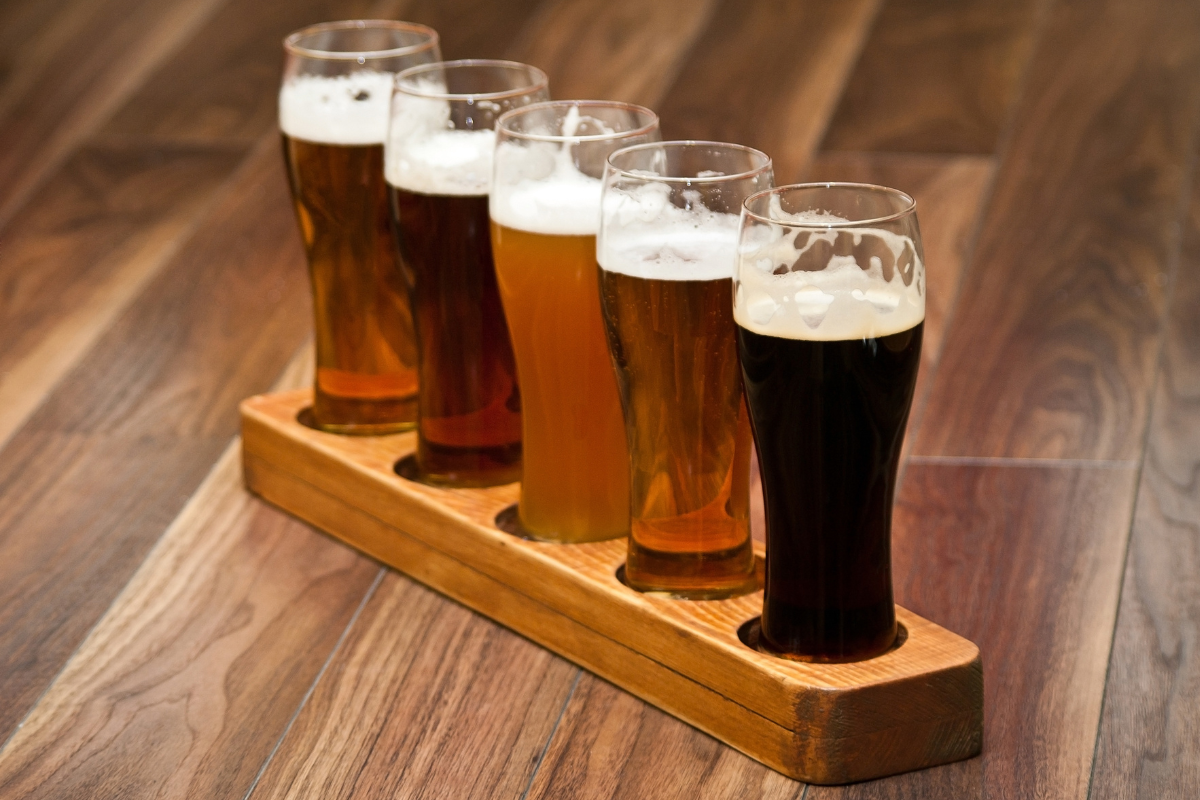
When a beer doesn’t taste quite right — too foamy, flat, or harsh — the issue is often blamed on the brewer or the recipe. In reality, the problem frequently lies elsewhere: improper gas blending. Behind every great pour is a carefully balanced combination of gases working in harmony with the draft system.

Most draft systems rely on carbon dioxide (CO₂), nitrogen (N₂), or a blend of the two to push beer from keg to tap. Each gas behaves differently. CO₂ dissolves into beer, contributing to carbonation and mouthfeel, while nitrogen is largely insoluble and provides a smooth, creamy texture without adding carbonation. Using the wrong gas — or the wrong ratio — can significantly impact beer quality.

For example, beers served with pure CO₂ but at incorrect pressure may become over-carbonated, leading to excessive foam and a sharp, carbonic bite. On the other hand, beers that require a nitrogen or blended gas — such as stouts or long-draw systems — can taste flat or lifeless if the blend is off. Even small deviations in gas ratios can throw off carbonation levels, aroma release, and head retention.

System design also plays a role. Factors such as line length, elevation changes, temperature, and keg pressure all influence how gas should be blended. A one-size-fits-all approach simply doesn’t work. That’s why proper gas blending is not just a technical detail, it’s a quality control measure.

Beyond taste, improper blending leads to product waste and higher operating costs. Foamy pours mean lost beer, slower service, and frustrated customers. Over time, these inefficiencies add up.

Working with an experienced beverage gas provider like Irish Beverage Services ensures that gas blends are matched precisely to each system and beer style. The result is consistent pours, protected product integrity, and a better experience from first sip to last.

In draft beer, what you don’t see — gas blending — matters just as much as what you do see.

Extra Small
Small
Medium
Large
Extra Large
Double XL