How Beverage Gases Reduce Product Waste

In beverage service, product waste quietly erodes profitability. Foamy pours, flat drinks, oxidation, and inconsistent carbonation may seem minor in isolation — but over time, they add up. Properly selected and managed beverage gases play a critical role in minimizing this waste while protecting quality.

At the core of every draft system is pressurized gas, typically carbon dioxide (CO₂), nitrogen (N₂), or a blended mix. These gases don’t just move product from keg to tap, they actively preserve it.

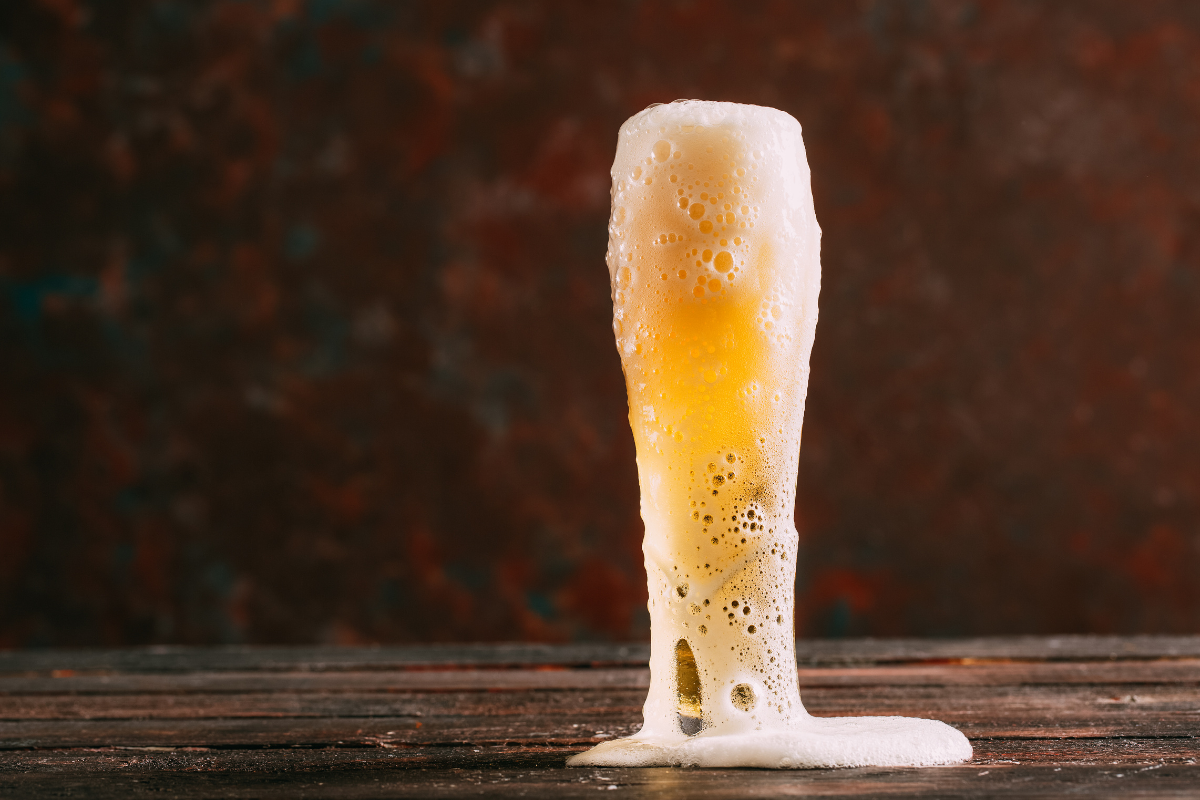
Carbon dioxide maintains carbonation levels in beer, sparkling water, and soda. When pressure is correctly balanced, it prevents over-foaming and under-carbonation, reducing the need to dump imperfect pours. Even a small reduction in foam waste can translate into dozens of saved servings per keg.

Nitrogen and nitrogen blends help stabilize beverages that require smoother textures or long-draw systems. Nitrogen is less soluble than CO₂, which means it provides push pressure without over-carbonating the beverage. This balance is especially important in high-volume bars and restaurants, where improper gas selection can result in excessive waste and inconsistent pours.

Beyond draft beer, beverage gases reduce waste in wine and cocktail programs. Nitrogen is commonly used to displace oxygen in wine systems, slowing oxidation and extending shelf life. This allows establishments to serve more by-the-glass options without discarding partially used bottles.

Proper gas blending also protects equipment. When systems are calibrated correctly, they reduce stress on lines, regulators, and taps — minimizing maintenance issues that can lead to downtime or spoiled product.

The key is precision. Gas pressure, temperature, line length, and blend ratios must work together as a balanced system. Partnering with an experienced provider like Irish Beverage Services ensures beverage gases are matched to your system design and usage patterns.

Reducing product waste isn’t just about sustainability, it’s about operational efficiency. When beverage gases are properly managed, every pour is more consistent, every keg lasts longer, and profitability improves one glass at a time.


What Is Beverage-Grade CO₂ (and Why It Matters)?

Carbon dioxide (CO₂) plays a vital role in the beverage industry. It carbonates soda, preserves freshness, powers draft systems, and contributes to mouthfeel in sparkling water, beer, and other beverages. But not all CO₂ is the same. When it comes to products meant for consumption, beverage-grade CO₂ is essential.

Beverage-grade CO₂ refers to carbon dioxide that meets strict purity standards established for food and drink applications. In the United States, these standards are governed by organizations such as the Compressed Gas Association (CGA) and the Food Chemicals Codex (FCC). Beverage-grade CO₂ typically must meet a purity level of 99.9% or higher and be free from harmful contaminants such as hydrocarbons, sulfur compounds, or moisture.

Why does this matter? Even trace impurities can affect taste, aroma, and safety. Off-flavors in beer or soda are sometimes traced back not to the beverage itself, but to contaminated or low-quality gas. In addition, impurities can damage equipment over time, leading to corrosion, inconsistent carbonation, and costly maintenance issues.

Beyond flavor, beverage-grade CO₂ ensures regulatory compliance. Restaurants, breweries, and beverage manufacturers must adhere to food safety standards, and using properly certified CO₂ is part of maintaining that compliance. Documentation, quality control testing, and supplier accountability all contribute to a safe and consistent product.

Beverage-grade CO₂ also plays a role in product consistency. Properly purified gas ensures stable carbonation levels, reliable draft performance, and predictable shelf life. When carbonation is balanced correctly, it enhances mouthfeel, aroma release, and overall drinking experience.

Working with an experienced supplier like Irish Beverage Services helps ensure that the CO₂ entering your system meets rigorous quality standards and is delivered reliably.

In beverage service, details matter. Beverage-grade CO₂ may be invisible, but its impact is unmistakable — from the first sip to the last.

From Tank to Tap: How a Draft Beverage System Works

A perfectly poured beverage may look effortless, but behind every smooth pour is a carefully designed draft system working in harmony. Understanding how a draft beverage system works — from tank to tap — helps explain why proper setup and maintenance are so important for quality, consistency, and efficiency.

It all begins with the beverage source, typically a keg, bag-in-box, or bulk container. Inside the keg, the beverage is sealed to protect freshness. To move it from the container to the tap, the system relies on pressurized gas, most commonly carbon dioxide (CO₂), nitrogen (N₂), or a blend of the two. This gas applies consistent pressure, pushing the beverage out of the container without exposing it to oxygen.

From there, the beverage travels through beverage lines — specialized tubing designed to preserve flavor and carbonation. Line length, diameter, and material are carefully selected based on the beverage type and distance to the tap. In longer-draw systems, additional considerations such as elevation changes and cooling become critical.

Temperature control plays a major role throughout the journey. Refrigeration systems keep the beverage cold from storage to dispense, preventing excess foam and protecting taste. In many setups, glycol-cooled trunk lines are used to maintain consistent temperature all the way to the faucet, even across long distances.

At the tap, a faucet and coupler system controls the final pour. When properly balanced, the result is a beverage with the correct carbonation, aroma, and head — served efficiently and consistently every time.

A well-designed draft system is more than equipment; it’s a calibrated ecosystem. Factors like gas pressure, temperature, line cleanliness, and system balance all influence the final product. That’s why working with experienced providers like Irish Beverage Services makes a meaningful difference.

From tank to tap, every component matters. When everything works together, customers can taste the difference.

Why Proper Gas Blending Is Critical for Beer Quality

When a beer doesn’t taste quite right — too foamy, flat, or harsh — the issue is often blamed on the brewer or the recipe. In reality, the problem frequently lies elsewhere: improper gas blending. Behind every great pour is a carefully balanced combination of gases working in harmony with the draft system.

Most draft systems rely on carbon dioxide (CO₂), nitrogen (N₂), or a blend of the two to push beer from keg to tap. Each gas behaves differently. CO₂ dissolves into beer, contributing to carbonation and mouthfeel, while nitrogen is largely insoluble and provides a smooth, creamy texture without adding carbonation. Using the wrong gas — or the wrong ratio — can significantly impact beer quality.

For example, beers served with pure CO₂ but at incorrect pressure may become over-carbonated, leading to excessive foam and a sharp, carbonic bite. On the other hand, beers that require a nitrogen or blended gas — such as stouts or long-draw systems — can taste flat or lifeless if the blend is off. Even small deviations in gas ratios can throw off carbonation levels, aroma release, and head retention.

System design also plays a role. Factors such as line length, elevation changes, temperature, and keg pressure all influence how gas should be blended. A one-size-fits-all approach simply doesn’t work. That’s why proper gas blending is not just a technical detail, it’s a quality control measure.

Beyond taste, improper blending leads to product waste and higher operating costs. Foamy pours mean lost beer, slower service, and frustrated customers. Over time, these inefficiencies add up.

Working with an experienced beverage gas provider like Irish Beverage Services ensures that gas blends are matched precisely to each system and beer style. The result is consistent pours, protected product integrity, and a better experience from first sip to last.

In draft beer, what you don’t see — gas blending — matters just as much as what you do see.

Extra Small
Small
Medium
Large
Extra Large
Double XL