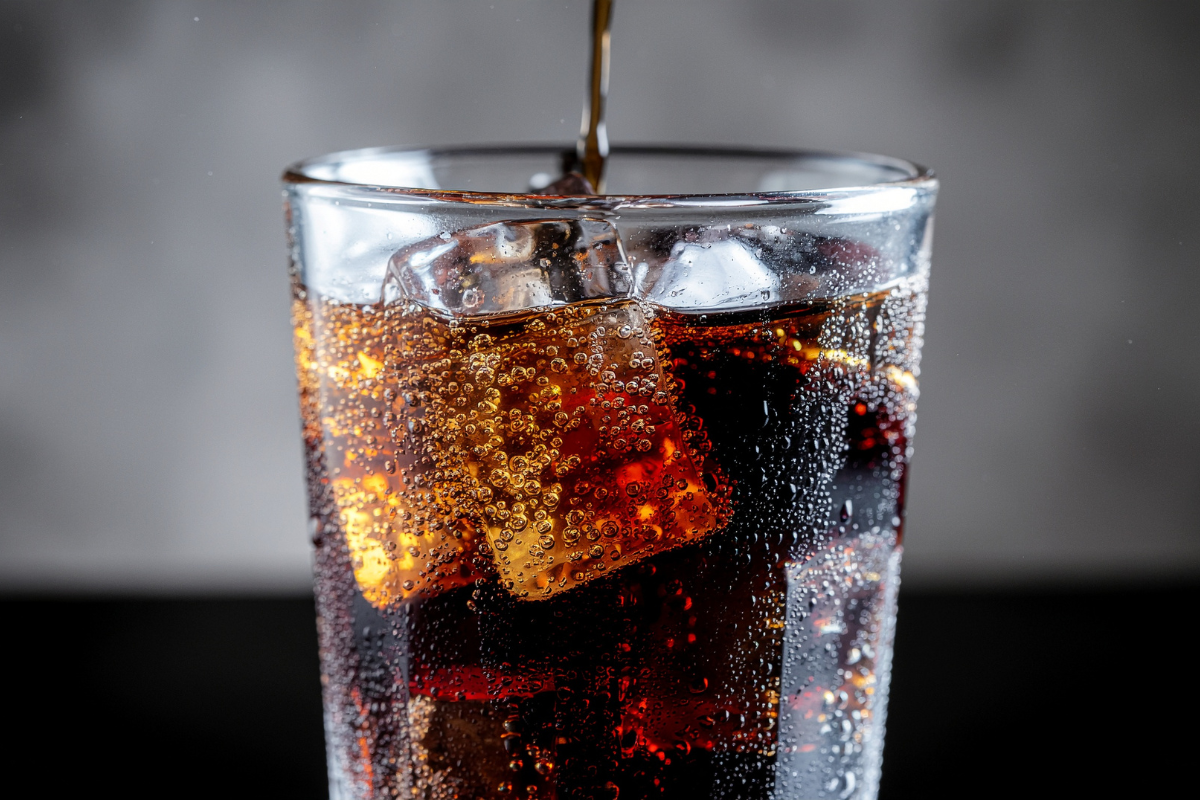
A perfectly carbonated beverage feels effortless: crisp, balanced, and refreshing. But behind that satisfying first sip is a careful interplay of science, pressure, and temperature.
Carbonation occurs when carbon dioxide (CO₂) dissolves into liquid under pressure. According to Henry’s Law, the amount of gas that dissolves in a liquid is directly proportional to the pressure applied — provided the temperature remains constant. In simple terms: higher pressure and colder temperatures allow more CO₂ to stay dissolved.
Temperature is critical. Colder liquids absorb and retain CO₂ more effectively, which is why draft systems are carefully refrigerated. If a beverage warms as it travels through lines or sits in a glass, CO₂ escapes more rapidly, creating excessive foam and flat flavor.
Pressure must also be precisely balanced. Too much pressure forces excess CO₂ into the beverage, resulting in over-carbonation, sharp acidity, and uncontrolled foam. Too little pressure allows CO₂ to break out of solution prematurely, causing flat pours and weak mouthfeel. Proper system calibration ensures the applied gas pressure matches the beverage’s desired carbonation level, line length, and elevation.
Different beverages require different carbonation profiles. Light lagers and sparkling waters typically have higher carbonation levels for a crisp, lively sensation. Stouts and nitrogen-infused beverages use blended gases to create smaller bubbles and a smoother texture. The size and behavior of bubbles directly affect aroma release, mouthfeel, and perceived flavor.
Even small variables — such as line cleanliness, regulator performance, or glass temperature — can disrupt carbonation balance. That’s why draft systems must be designed and maintained as a unified system rather than a collection of parts.
Partnering with an experienced provider like Irish Beverage Services ensures proper gas selection, pressure calibration, and system design tailored to each beverage program.
Perfect carbonation isn’t accidental. It’s the result of controlled temperature, precise pressure, and a well-balanced draft system working together to deliver consistency in every pour.